Battery Storage — Scotland 2026
Is battery storage worth it in Scotland?
A 9–10 kWh home battery in Dundee starts at from £5,500 fully installed with 0% VAT. A battery saves money two ways: storing surplus solar for use in the evening, and charging on cheap overnight electricity to use during expensive peak hours. We install through MCS-certified partners, and your exact price is confirmed after a no-obligation survey.
Source: GOV.UK, Ofgem, checked October 2026. Prices include 0% VAT (until 31 March 2027).
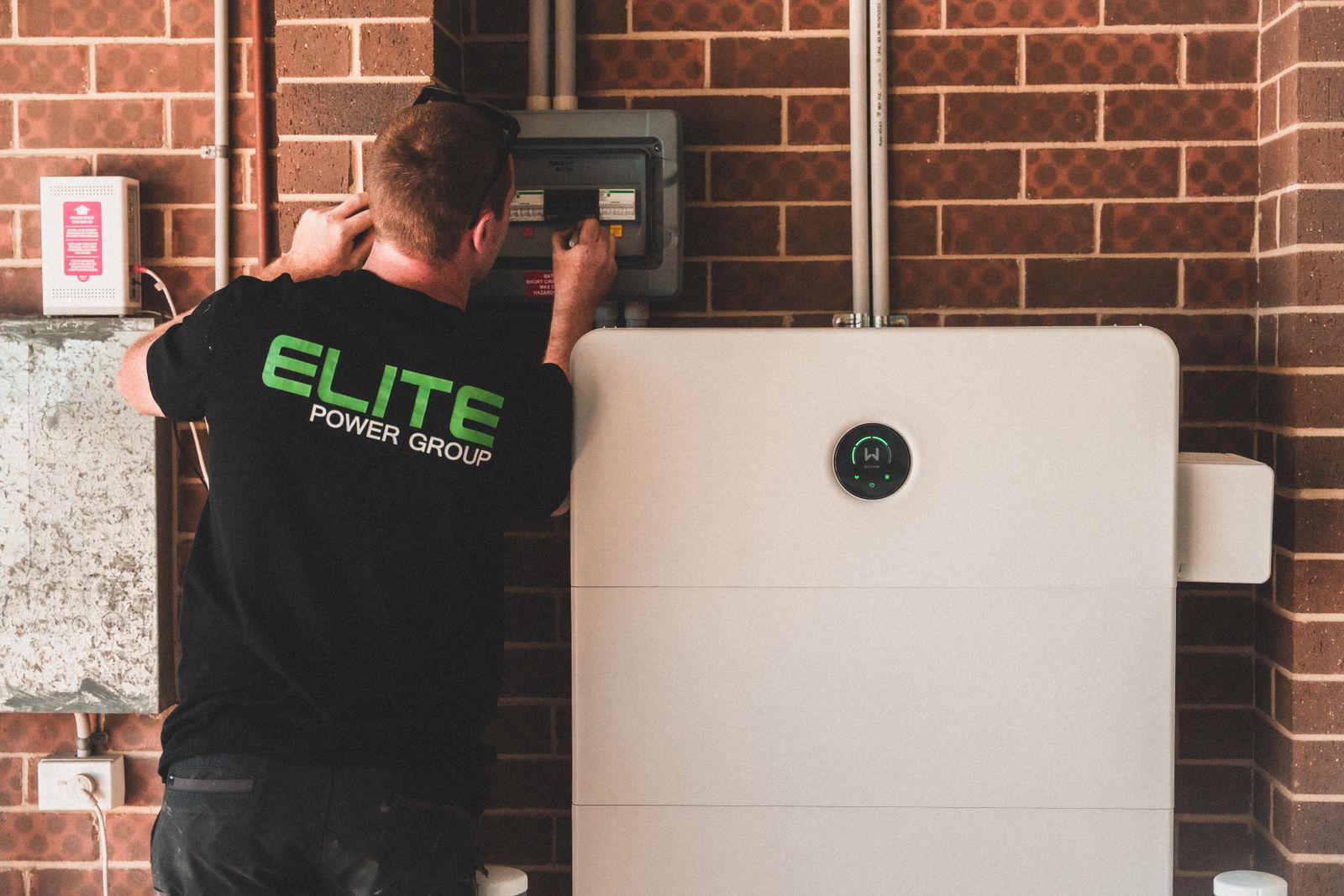
How Batteries Save Money
How do batteries save you money?
Batteries save money two ways — storing surplus solar for evening use, and charging on cheap overnight rates to use during peak hours.
Solar self-consumption
Instead of exporting surplus solar at 12p/kWh, you store it and use it in the evening when the grid rate is 28p/kWh. Every kWh you shift saves you the difference. For a dedicated guide to home battery storage in Dundee, our sister site goes deeper on sizing and payback. Part of the Scottish Energy Efficiency network.
Grid arbitrage
Charge your battery on a cheap overnight rate (from 7p/kWh/kWh on time-of-use tariffs) and discharge during the peak period when you'd otherwise pay 28p/kWh. This works even without solar panels.
House rule: max 2 cycles per day
We design systems around a maximum of two full charge/discharge cycles per day. Some tariffs incentivise more, but pushing beyond two cycles accelerates degradation and voids some manufacturer warranties. Two cycles captures the vast majority of available savings while protecting battery longevity.
Time-of-Use Tariffs
What are time-of-use tariffs and how do they work with batteries?
Time-of-use tariffs charge around 7p to 12p overnight and 24p to 30p at peak — your battery charges cheap and discharges when rates are high.
Time-of-use tariffs offer cheap overnight electricity (from 7p/kWh/kWh) and charge more during peak hours. Your battery charges while you sleep and powers your home during the expensive period. Several energy suppliers now offer these tariffs — your consultant will help you identify the best match for your usage pattern.
Export tariffs range from roughly 1p to 25p/kWh on flat-rate export tariffs. When you have solar, the Smart Export Guarantee (SEG) guarantees that any MCS-registered system can export surplus electricity for payment — the flat rate is currently around 12p/kWh. To compare current SEG rates across suppliers, see our sister site tracking solar export payments and savings.
Off-peak charge cost
7p/kWh
Peak import avoided
28p/kWh
Saving per kWh shifted
~21p
Degradation & Longevity
How long do home batteries last?
Most LFP batteries last around 12 to 15 years in practice, retaining roughly 85% capacity after 10 years depending on cycling habits.
Modern lithium iron phosphate (LFP) batteries degrade predictably. Expect approximately 2.5% capacity loss in Year 1, followed by roughly 1.5% per year thereafter. After 10 years, a well-managed battery retains around 85% of its original capacity.
Most manufacturers warrant 10 years or 6,000 cycles. Our 2-cycle house rule means you'll use around 730 cycles per year — well within the warranty envelope, with real-world lifespan often reaching 12–15 years.
Pricing at a glance
9–10 kWh battery (installed)
from £5,500
Add a battery to solar
By quote
Includes 0% VAT (until 31 March 2027). We install through MCS-certified partners.
Approved Brands
Which battery brands do we recommend?
We recommend proven brands like Tesla Powerwall, Fox ESS, Sigenergy, and Pylontech — your specific model is confirmed after a site survey.
We only specify MCS-listed equipment from manufacturers with proven UK support and warranty infrastructure. Your specific brand will be confirmed after the site survey based on your system requirements.
We install through MCS-certified partners.
Frequently Asked Questions
Common questions about battery storage
- Do you install battery storage in Dundee?
- Yes. We cover Dundee and the surrounding DD postcodes. We install through MCS-certified partners, so your battery installation is carried out by an MCS-certified installer and registered on the MCS database.
- Can I add a battery to my existing solar panels?
- Yes — retrofit batteries are common. If your existing inverter is a hybrid model we can add storage directly. If it is a standard string inverter, we add an AC-coupled battery with its own inverter. Both approaches work well and will be confirmed at survey.
- Is finance available for battery storage?
- Interest-free credit up to £30,000, subject to status.
- How do I get a battery storage quote?
- Call us or fill in the online form. We arrange a no-obligation on-site survey, then send you a written no-obligation quote with exact pricing and a full breakdown of what is included.
- How long do home batteries last?
- Most LFP batteries last around 12 to 15 years in practice, retaining roughly 85% capacity after 10 years. Most manufacturers warrant 10 years or 6,000 cycles. Proper cycling habits extend lifespan.
- Can I use a battery without solar panels?
- Yes. A battery alone can charge on cheap overnight electricity via a time-of-use tariff and discharge during peak hours, saving you the difference. This grid arbitrage works independently of solar.
Figures: GOV.UK, Ofgem, checked October 2026. All prices include 0% VAT until 31 March 2027.
Last updated: 1 November 2026
Start saving today
Ready to go solar in Dundee?
No-obligation consultation. Honest advice. No deposit. Book a free home survey or call.