Frequently asked

Dundee Solar FAQs

These are the questions Dundee homeowners ask most about solar panels, battery storage and heat pumps. Every answer is checked against current Scottish Government guidance and Ofgem data, with sources and dates shown throughout.

These are the questions Dundee homeowners ask us most about solar panels, batteries and heat pumps. We answer plainly, with pricing and tariff figures sourced from GOV.UK, Ofgem and checked October 2026. We don't sell grants or guaranteed savings — we install through MCS-certified partners and quote after a survey.
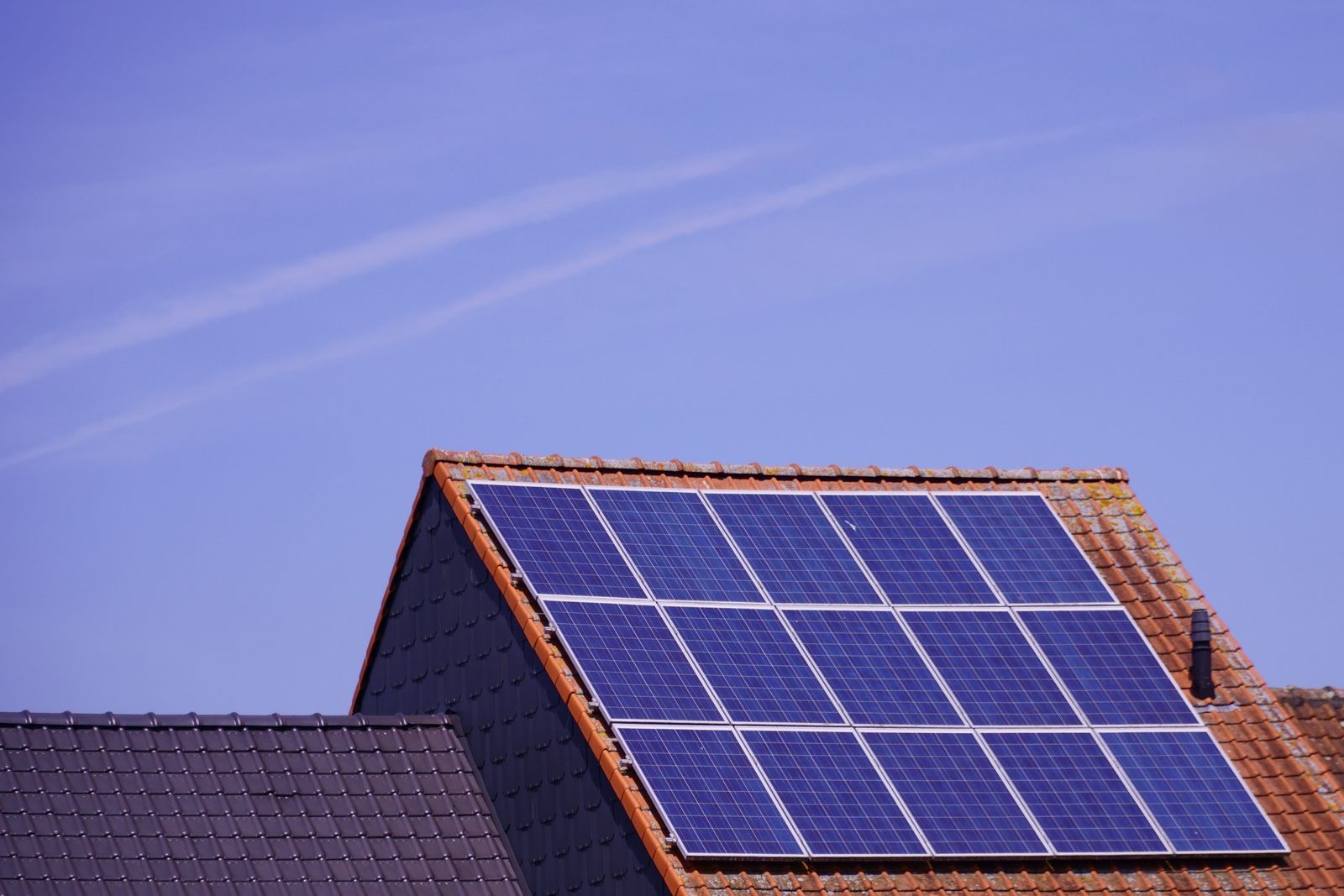
Dundee homeowner asking about solar panel FAQs

Quick answers

Yes. We're based in Dundee and cover every DD postcode. All installations are carried out through our MCS-certified partners, with surveys and installation handled locally by our installation partner.
Yes — batteries can be retrofitted to most existing solar PV installations. A survey confirms compatibility with your current inverter and wiring before any work is quoted.
Interest-free credit up to £30,000, subject to status.
Call us or use the form on our contact page. We'll arrange a no-obligation survey of your property, then send you a written no-obligation quote — there's no pressure to proceed.
Yes — a typical 4 kW system generates around ~3,400 kWh/year at a Dundee yield of 700–850 kWh/kWp/year. Dundee receives around 1,450 sunshine hours annually, and long summer days (17+ hours of daylight in June) compensate for shorter winters. Adding battery storage lets you store daytime generation for evening use and cheaper off-peak grid rates overnight.
A standard 4 kW system costs £6,200–£7,500 including 0% VAT. The zero-rate VAT is applied automatically by your installer and is valid until 31 March 2027. A 9.5–10 kWh battery adds from £5,500. Final pricing is confirmed after an on-site survey by your installer, who works through MCS-certified partners.
The main financial benefit for solar is 0% VAT, which applies automatically until 31 March 2027. Once installed, you can also earn from the Smart Export Guarantee, currently paying around 12p/kWh for electricity you export to the grid.
Most domestic solar installations in Dundee fall under permitted development and do not need planning permission. The panels must not protrude more than 200 mm from the roof surface and must not sit higher than the roofline. Listed buildings and properties in conservation areas may require consent from Dundee City Council — your installer will advise during the survey.
A typical domestic solar panel installation takes one day. Adding a battery adds roughly half a day. From initial consultation to generating, the whole process usually takes around three weeks — including the survey, SSEN North G98 grid notification and MCS registration.
The Smart Export Guarantee (SEG) pays you for surplus electricity you export to the national grid. Rates currently range from roughly 1p to 25p/kWh on flat-rate export tariffs, with a typical flat rate of 12p/kWh. Your installer, working through MCS-certified partners, will register you — there is nothing to apply for separately. The SEG replaced the old Feed-in Tariff in January 2020.
Yes — batteries can be retrofitted to most existing solar PV installations. A 9.5–10 kWh battery costs from £5,500 and qualifies for 0% VAT until 31 March 2027. Adding a battery allows you to store daytime solar generation for evening use and take advantage of cheaper off-peak grid rates overnight.
Yes — solar panels generate electricity from daylight, not direct sunshine. Winter output is lower (roughly 10–15% of annual generation falls in December–February), but panels still produce useful energy on overcast days. A battery helps bridge the gap by storing any surplus and by enabling grid arbitrage on a time-of-use tariff.
Most Dundee homes suit a 4–6 kWp system. A 4 kW array generates ~3,400 kWh/year at a Dundee yield of 700–850 kWh/kWp/year. Your installer will recommend a size based on your roof area, orientation, shading and electricity usage. Larger systems require a G99 grid application for single-phase connections above 3.68 kW.
Heat pumps are an option for many Dundee homes replacing oil, LPG or direct electric heating. We install through MCS-certified partners, so the physical installation and MCS certification are handled by our MCS-certified partners. Ask us to talk you through how a heat pump could work with your home — we'll arrange a no-obligation survey.
Standard grid-tied solar systems shut down during a power cut for safety reasons — this is required by G98/G99 regulations. Some battery systems offer an Emergency Power Supply (EPS) function that can power selected circuits during an outage. Ask your installer about EPS capability if backup power is important to you.
Look for current MCS certification (the industry standard for renewable energy installations in the UK), TrustMark registration and Gas Safe registration. Dundee Solar Pro installs through MCS-certified partners — all TrustMark-registered and Gas Safe registered. Call 0141 230 0198 or book a free home survey for a no-obligation consultation.

Reference

What do all these solar and energy terms mean?

Here's a plain-English glossary of the abbreviations and technical terms you'll encounter when researching solar, batteries and heat pumps.

Key terms explained in plain English.

MCS
Microgeneration Certification Scheme — the UK quality standard for renewable energy installations. We install through MCS-certified partners.
SEG
Smart Export Guarantee — a government-backed scheme requiring licensed energy suppliers to pay households for surplus electricity exported to the grid. Current rates range from roughly 1p to 25p/kWh on flat-rate export tariffs.
DNO
Distribution Network Operator — the company that owns and maintains the local electricity grid. Dundee's DNO is SSEN North (Scottish and Southern Electricity Networks).
kWp
Kilowatt-peak — the maximum output of a solar panel or array under standard test conditions. Used to rate system size (e.g. a "4 kWp system").
kWh
Kilowatt-hour — a unit of energy. One kWh is one kilowatt of power sustained for one hour. Your electricity bill is priced per kWh.
EPC
Energy Performance Certificate — rates a property's energy efficiency from A (most efficient) to G. Required when selling or letting.
G98
Engineering Recommendation G98 — the streamlined grid connection process for small-scale generators up to 3.68 kW per phase. A simple notification, not a full application.
G99
Engineering Recommendation G99 — the formal grid connection application process for generators above 3.68 kW per phase. Takes longer than G98 and may involve network study.
ASHP
Air-Source Heat Pump — extracts heat from outdoor air and transfers it indoors to provide space heating and hot water. Works efficiently down to −20 °C.
TrustMark
A government-endorsed quality scheme for tradespeople. TrustMark registration provides access to redress procedures and is held by our installation partners.
RTE
Round-Trip Efficiency — the percentage of energy you get back out of a battery compared to the energy you put in. Typical lithium batteries achieve 85–92% RTE.
Inverter
A device that converts direct current (DC) from solar panels or batteries into alternating current (AC) used by household appliances and the grid.
Smart Export Guarantee
The SEG requires licensed electricity suppliers to offer a tariff paying for exported surplus generation. Rates currently sit at roughly 1p to 25p/kWh on flat-rate export tariffs, with a common flat rate of 12p/kWh.
Time-of-use tariff
An electricity tariff with different rates at different times of day — typically a cheap overnight rate (e.g. 7p/kWh) and a higher daytime/peak rate (e.g. 28p/kWh). Ideal for battery owners.
Feed-in Tariff
The original UK government scheme that paid households for generating and exporting renewable electricity. Closed to new applicants on 31 March 2019 and replaced by the Smart Export Guarantee.

Last updated: 1 November 2026

Start saving today

Ready to go solar in Dundee?

No-obligation consultation. Honest advice. No deposit. Book a free home survey or call.

Installed through our MCS-certified partnersInterest-free credit up to £30,000, subject to statusCovers all of Scotland

We install through MCS-certified partners. Learn about our partnership model.